


Responding with Understanding: Why Every First Responder Should Receive Autism & Neurodiversity Training
- Jul 16
- 3 min read
When someone calls 911, they expect help to arrive.
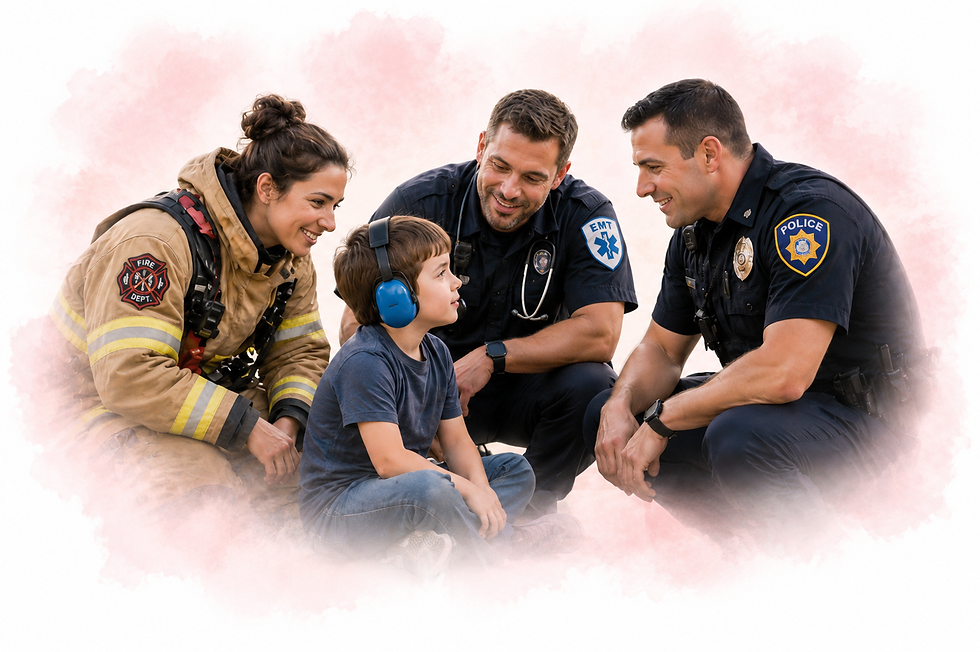
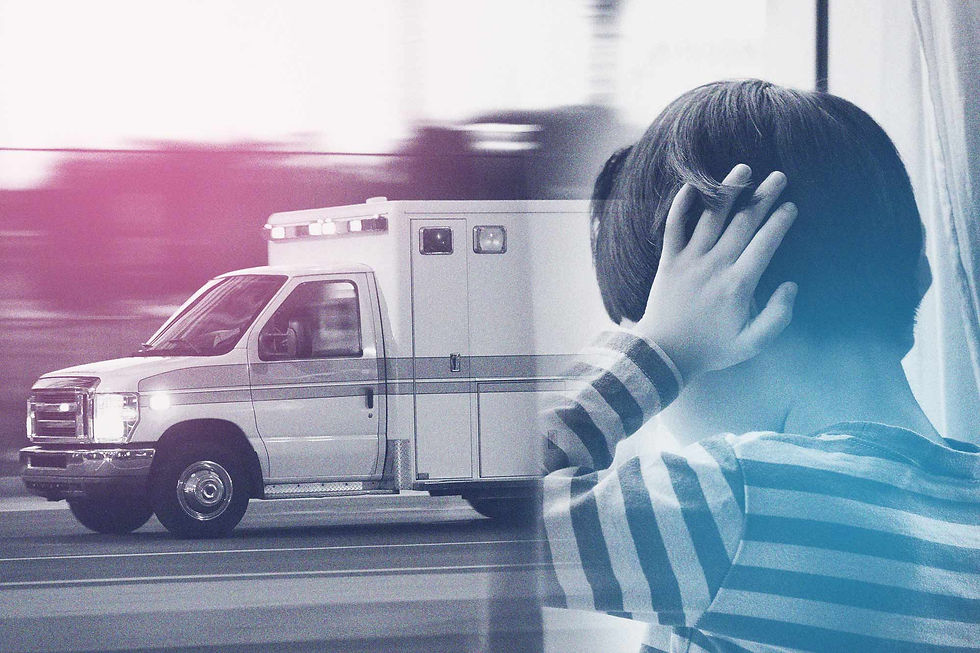
But for autistic individuals and others with neurodevelopmental differences, emergency situations can be especially overwhelming. Bright lights, loud sirens, unfamiliar people, rapid instructions, and high-stress environments can trigger anxiety, sensory overload, or behaviors that may be misunderstood.
For first responders, these moments require more than quick action—they require understanding.
At Bright Connections Behavioral & Learning Center, we believe that better understanding leads to better outcomes for everyone. That's why we developed Responding with Understanding: Autism & Neurodiversity Training for First Responders.
Why This Training Matters
Every day, police officers, firefighters, EMTs, dispatchers, and emergency personnel encounter individuals with different communication styles, sensory needs, and behavioral responses.
Without specialized training, behaviors associated with autism or other neurodiverse conditions can easily be mistaken for:
Noncompliance
Aggression
Defiance
Intoxication
Mental health crises
In reality, many individuals are simply experiencing fear, confusion, or sensory overload.
When responders recognize these differences, they can make informed decisions that improve safety for everyone involved.
Understanding Before Reacting
A child who doesn't answer questions may not be ignoring an officer.
An adult who avoids eye contact may still be listening.
Someone who runs away may not be trying to escape—they may simply be overwhelmed.
Understanding these possibilities changes how responders communicate and connect during emergencies.
The goal isn't to lower expectations.
The goal is to provide responders with additional tools that allow them to recognize what they're seeing and respond effectively.
What Participants Learn
Our training combines evidence-based practices with real-world application to help first responders feel more prepared and confident.
Topics include:
Effective Communication
Learn practical communication strategies that improve cooperation while reducing stress during emergency situations.
De-escalation Techniques
Discover simple, respectful techniques that help reduce anxiety and create safer interactions.
Recognizing Autism & Neurodiversity
Gain a better understanding of common characteristics of autism and other neurodevelopmental differences that may present during emergencies.
Compassionate Response
Learn how empathy and understanding can strengthen communication without compromising safety.
Community Collaboration
Build stronger partnerships between emergency services, schools, healthcare providers, and families to create safer communities.
Benefits for First Responders
After completing the training, participants often report greater confidence in:
Communicating with autistic individuals
Recognizing sensory overload
Responding to behavioral differences
De-escalating high-stress situations
Supporting families during emergencies
Building trust within the community
Knowledge reduces uncertainty—and confidence improves outcomes.
Benefits for Families
Families want to know that when they call for help, responders understand their loved one's needs.
Training helps build that trust.
When first responders are equipped with practical strategies and a deeper understanding of neurodiversity, families feel more supported, children experience less fear, and interactions become safer and more productive.
Creating Stronger Communities Together
Safety is a shared responsibility.
By investing in autism and neurodiversity education, communities are investing in stronger relationships between emergency personnel and the families they serve.
Every positive interaction strengthens trust.
Every informed response creates an opportunity for better outcomes.
Every trained responder helps build a safer, more inclusive community.
Bring the Training to Your Agency
Whether you're a police department, fire department, EMS agency, dispatch center, school resource officer program, or another public safety organization, our team is ready to help.
Together, we can create communities where every individual is met with knowledge, compassion, and respect.
Invest in understanding. Invest in your community.
Contact Bright Connections Behavioral & Learning Center today to schedule your Responding with Understanding: Autism & Neurodiversity Training for First Responders and learn how your agency can make a lasting impact through education and collaboration.


Comments